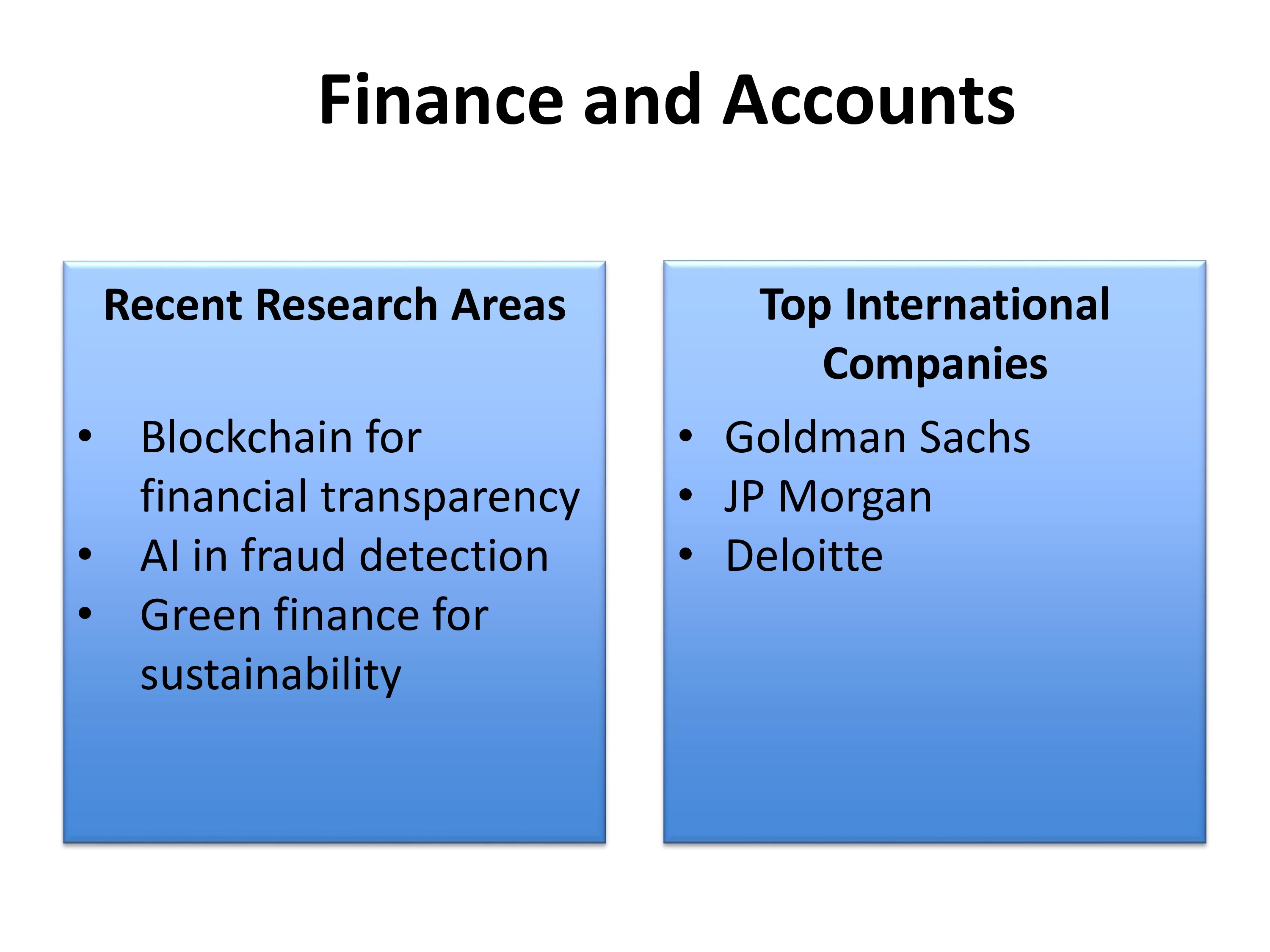
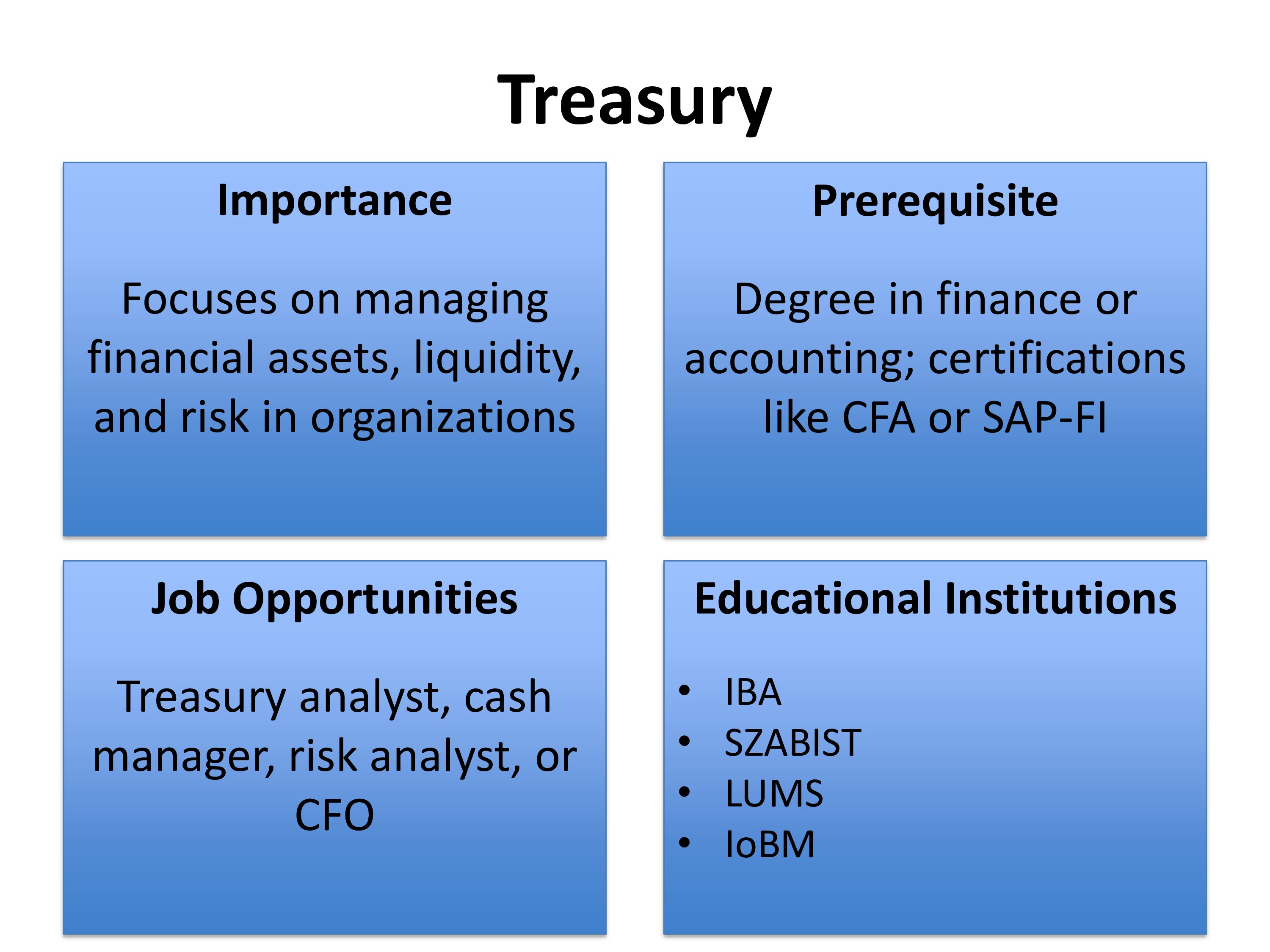
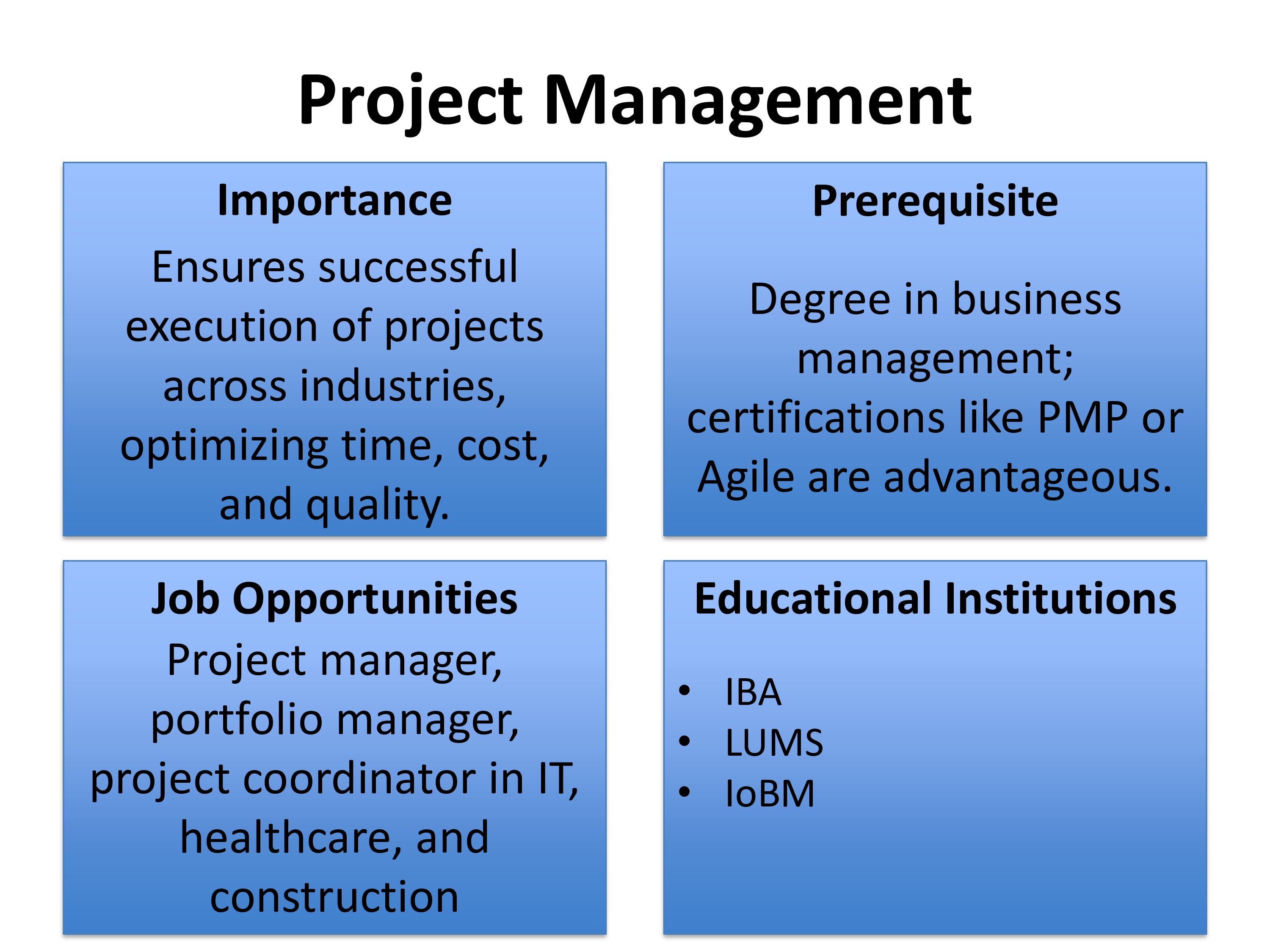
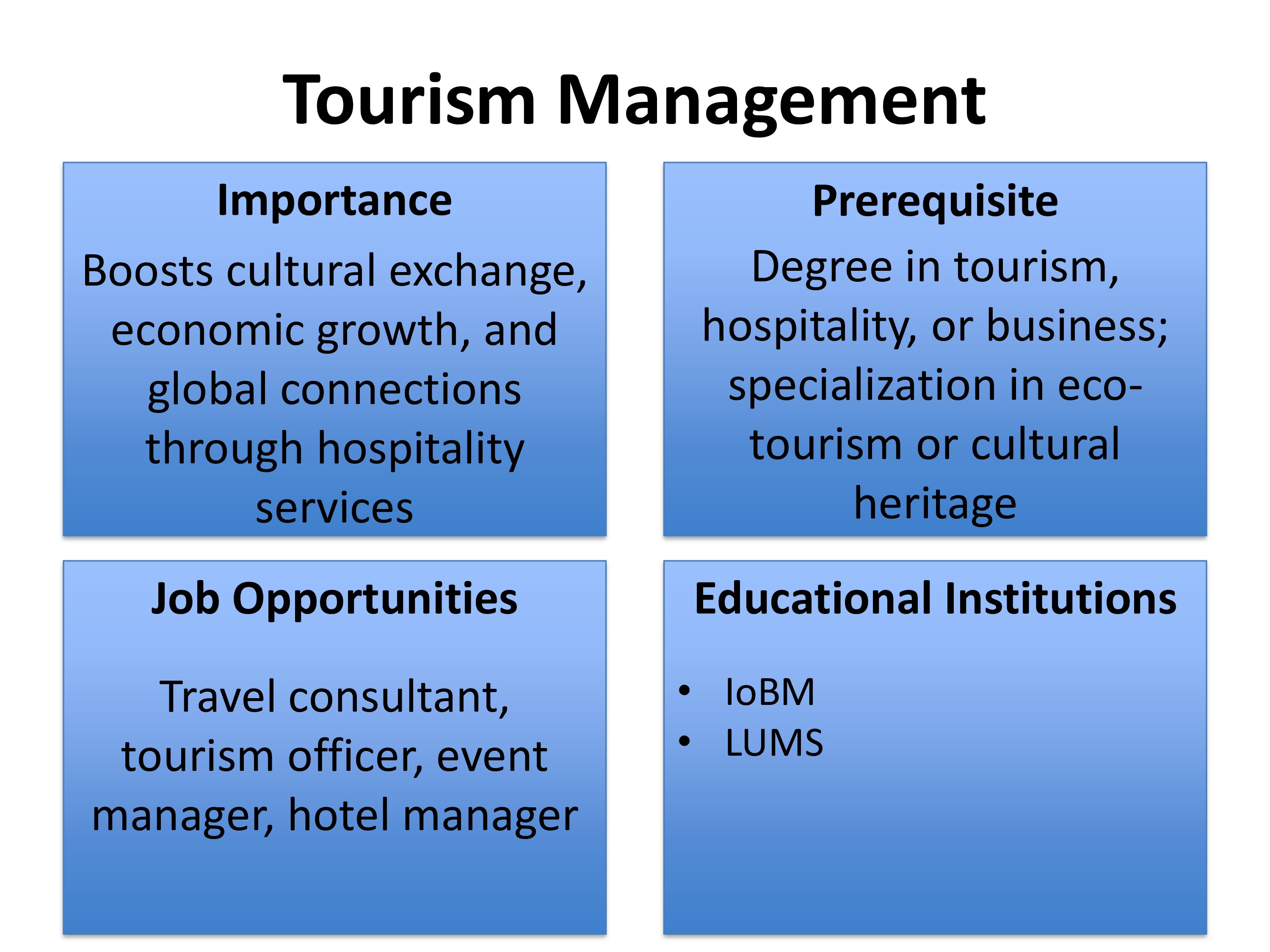
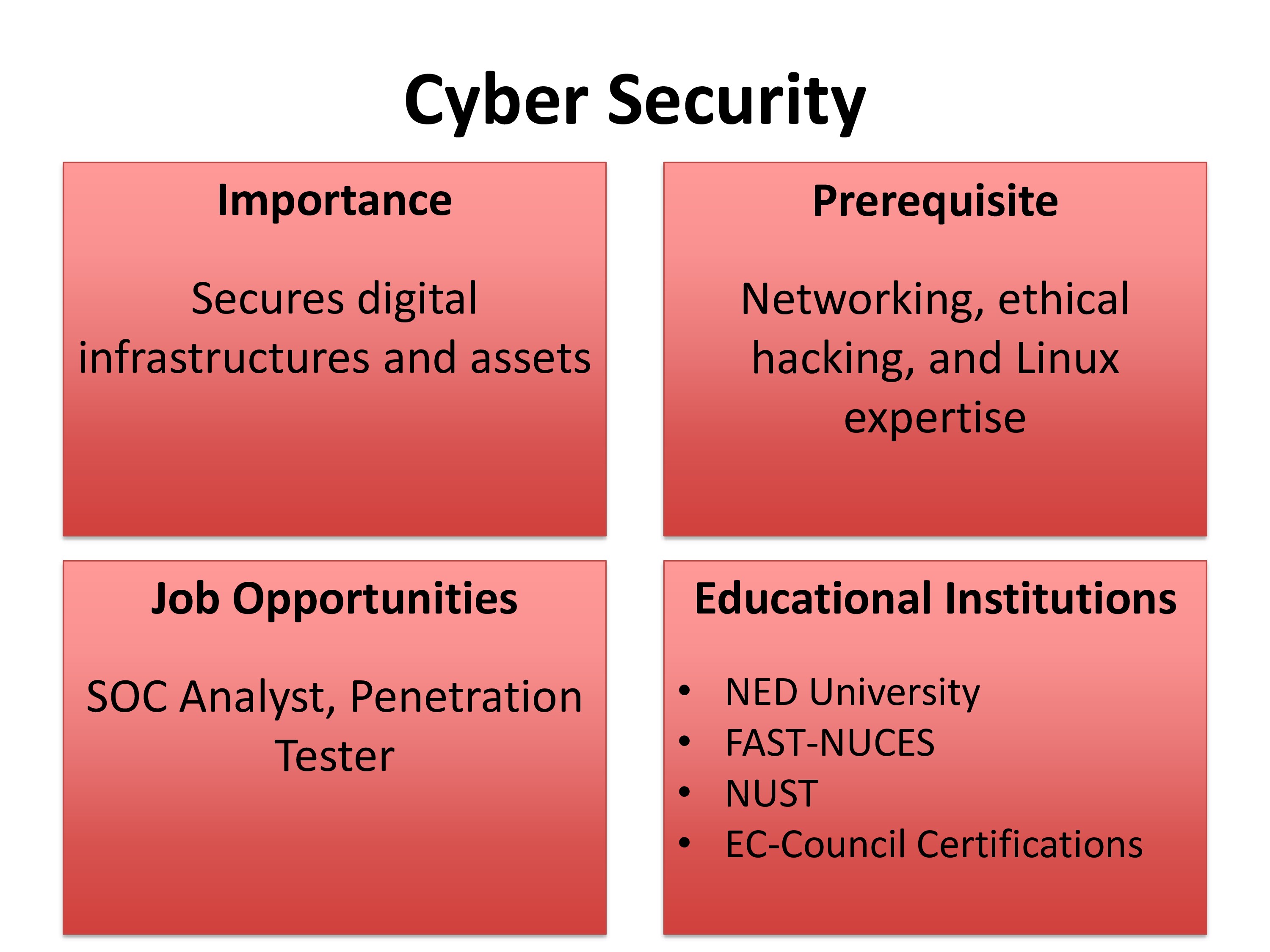
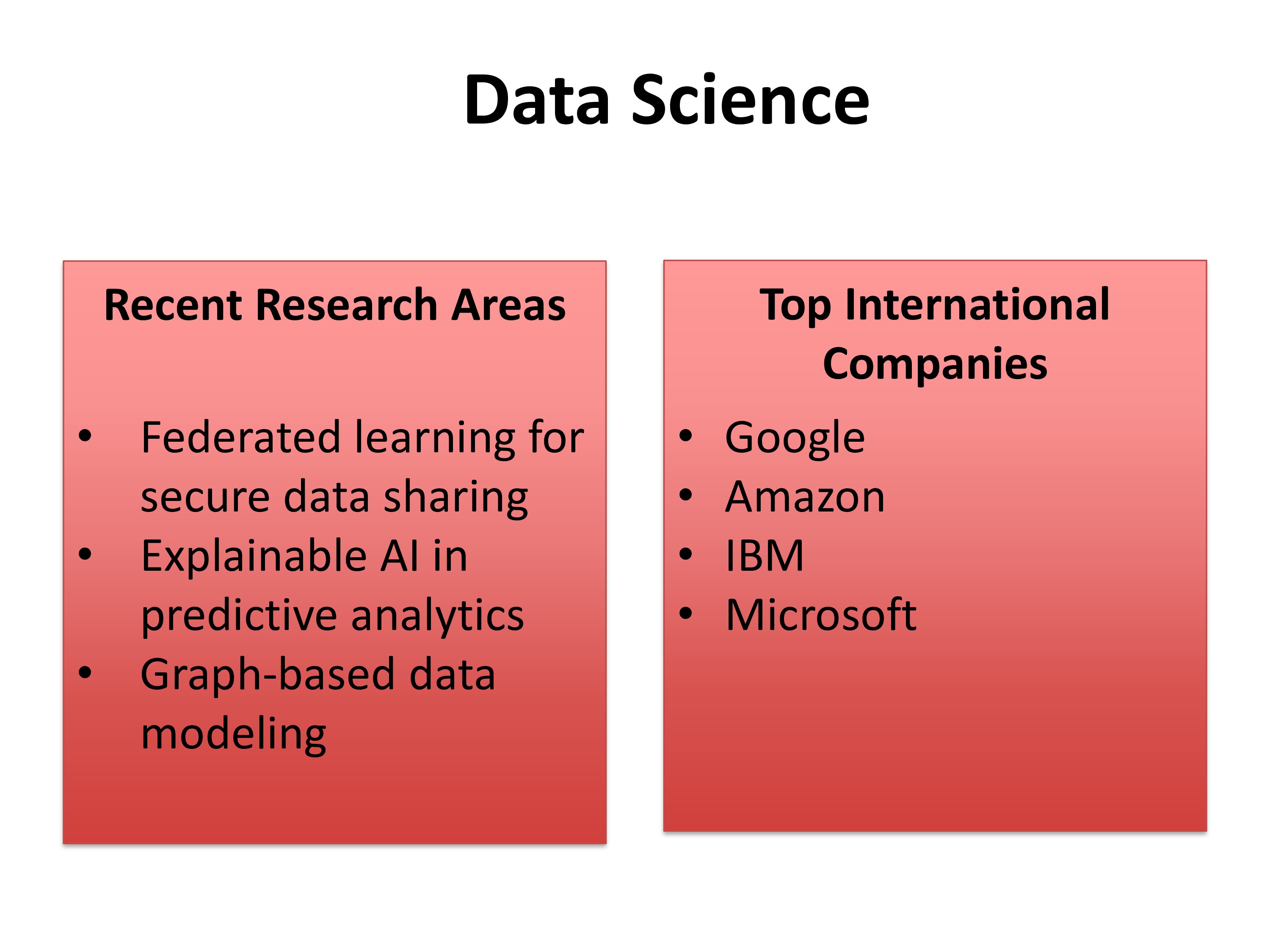
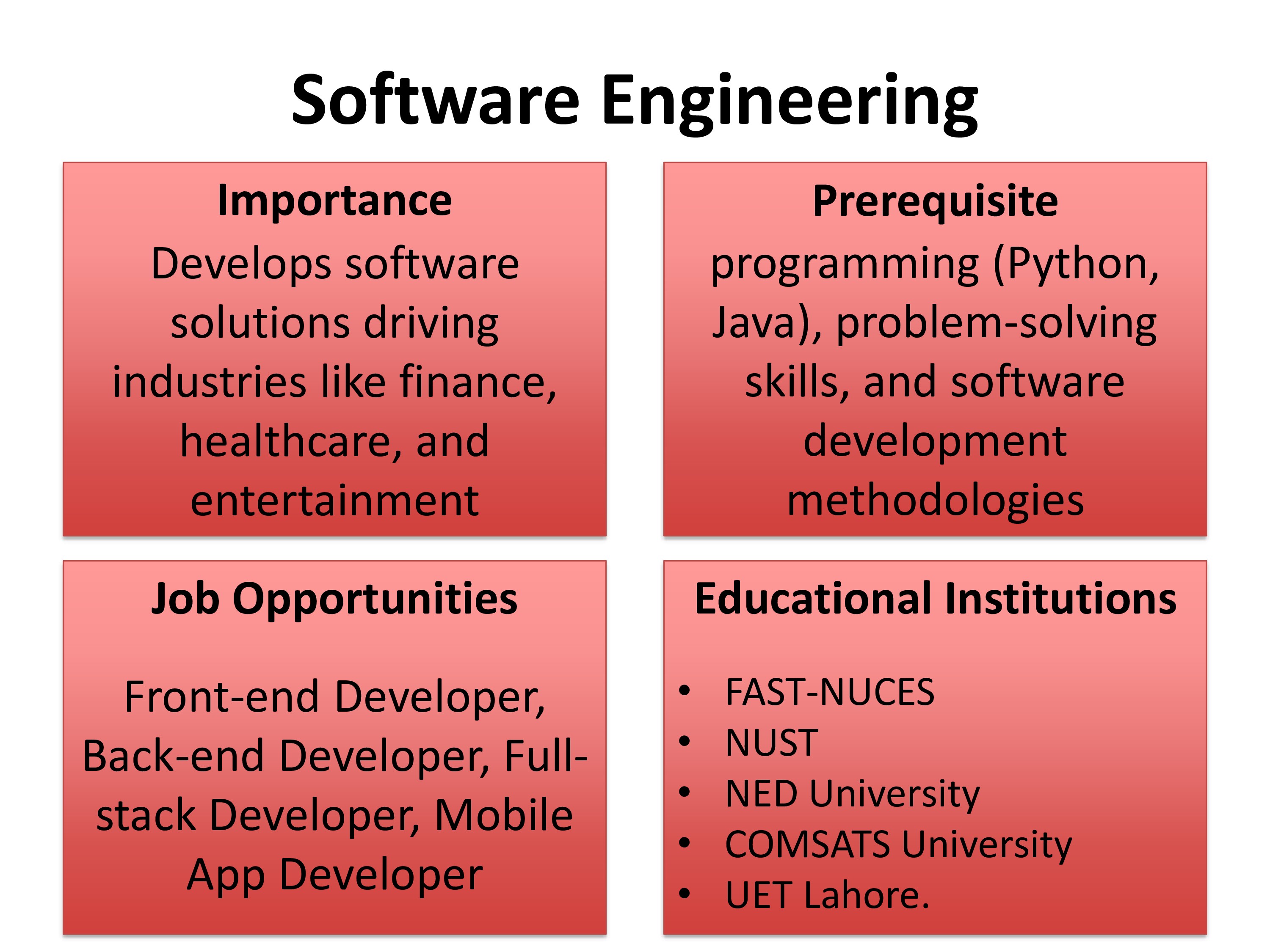
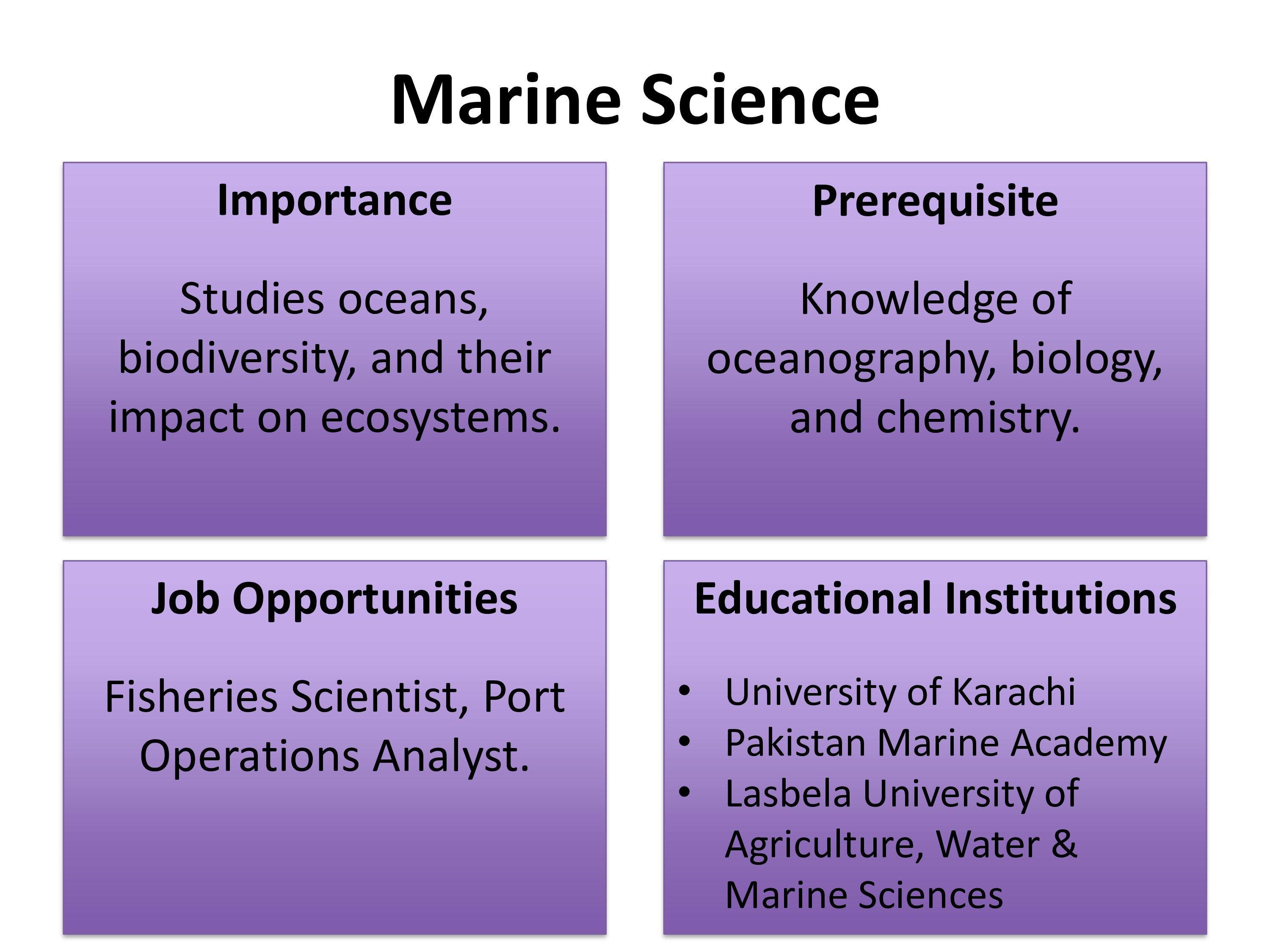
Question: Importance, Pre-Requisites, Job Opportunities and Educational Institutes:
Answer: ⬇

Question: Recent Research Areas & Top International Companies:
Answer: ⬇

Question: Importance or Significance of the Subject Nationally/Internationally:
Answer: Chemical Engineering is a crucial discipline with significant importance both nationally and internationally. It plays a vital role in various industries and contributes to solving global challenges related to energy, healthcare, environmental protection, and material development. The importance of the subject is explained below: 1. Industrial Development: Chemical engineering is essential for the development and optimization of processes used in various industries, including petrochemicals, pharmaceuticals, food processing, and materials manufacturing. It contributes to the efficient production of goods and services, which drives economic growth. 2. Energy Production and Sustainability: Chemical engineers are involved in the development of renewable energy sources, energy storage systems, and the improvement of traditional energy production methods. Their work is vital in addressing global energy challenges and reducing dependence on fossil fuels. 3. Environmental Protection: Chemical engineers develop technologies and processes to minimize environmental impact, manage waste, and reduce emissions. Their work is critical in combating pollution, managing industrial waste, and developing sustainable practices. 4. Healthcare and Pharmaceuticals: In the healthcare sector, chemical engineers design and develop processes for the production of pharmaceuticals, medical devices, and diagnostic tools. Their contributions are essential for improving public health and advancing medical technology. 5. Materials Science and Innovation: Chemical engineers contribute to the development of new materials with improved properties, such as polymers, nanomaterials, and composites. These innovations are used in a wide range of applications, from electronics to aerospace. 6. Food and Beverage Industry: Chemical engineering plays a key role in the food and beverage industry by optimizing processes for food production, preservation, and safety. It ensures the availability of high-quality, safe, and nutritious food products. 7. Global Challenges: Chemical engineers address global challenges such as climate change, resource scarcity, and sustainable development. Their expertise is crucial in developing technologies that support a sustainable future.
Question: Implication in Society and Corporate Sector:
Answer: Chemical engineering has profound implications for society and the corporate sector and influencing various aspects of industrial production, economic development, environmental sustainability, public health, and innovation. Collaboration between stakeholders across sectors is essential to address global challenges and maximize the positive impact of chemical engineering on society and business. The implications of the subject are explained below: 1. Industrial Efficiency and Innovation: • Society: Chemical engineering improves the efficiency of industrial processes, leading to lower production costs and higher-quality products. This benefits consumers by providing access to affordable and innovative goods. • Corporate Sector: Companies rely on chemical engineering to develop new products, optimize processes, and reduce costs. Investment in research and development (R&D) leads to innovative solutions and competitive advantages in the market. 2. Environmental Sustainability: • Society: Chemical engineers develop sustainable practices and technologies that reduce environmental impact, conserve resources, and mitigate pollution. This contributes to a cleaner and healthier environment for future generations. • Corporate Sector: Companies adopt sustainable practices to meet regulatory requirements, enhance their corporate social responsibility (CSR) profiles, and respond to consumer demand for environmentally friendly products. This can lead to cost savings and improved brand reputation. 3. Healthcare and Public Safety: • Society: Chemical engineering contributes to the development of safe and effective pharmaceuticals, medical devices, and diagnostic tools. This improves public health and safety, leading to better quality of life. • Corporate Sector: Pharmaceutical companies and healthcare providers depend on chemical engineering to design efficient production processes, ensure product safety, and comply with regulatory standards. This is critical for maintaining trust and profitability in the healthcare industry. 4. Energy Production and Management: • Society: Chemical engineers develop technologies for renewable energy, energy storage, and efficient energy production. This supports the transition to a more sustainable energy system, reducing reliance on fossil fuels and mitigating climate change. • Corporate Sector: Energy companies invest in chemical engineering to develop new energy solutions, optimize production, and reduce costs. This is essential for staying competitive in the evolving energy landscape. 5. Innovation and Research: • Society: Chemical engineering drives innovation through research and development, leading to advancements in materials science, energy production, environmental protection, and healthcare. • Corporate Sector: Companies invest in R&D to improve their products, processes, and services. Collaboration with academic institutions, research organizations, and government agencies allows businesses to leverage scientific advancements for growth and innovation.
Question: Subsections of This Field and Their Utilization:
Answer: Chemical Engineering encompasses various sub-disciplines, each focusing on different aspects of chemical processes, materials, and technologies. Here are the key sub-sections of Chemical Engineering: 1. Process Engineering: o Focuses on the design, optimization, and operation of chemical processes used in manufacturing industries. Utilized in petrochemicals, food processing, pharmaceuticals, and materials production. 2. Materials Engineering: o Involves the development and characterization of new materials, such as polymers, ceramics, and nanomaterials. Applied in industries like electronics, aerospace, automotive, and construction. 3. Biochemical Engineering: o Combines chemical engineering with biological processes to develop products such as pharmaceuticals, biofuels, and food additives. Essential in the biotechnology and healthcare industries. 4. Environmental Engineering: o Focuses on developing processes and technologies to reduce environmental impact, manage waste, and ensure compliance with environmental regulations. Used in pollution control, waste management, and sustainable development. 5. Energy Engineering: o Involves the development and optimization of energy production and storage systems, including renewable energy sources, batteries, and fuel cells. Key in the energy sector and sustainability initiatives. 6. Thermodynamics and Reaction Engineering: o Studies the principles of energy and chemical reactions to optimize industrial processes. Applied in the design and operation of reactors, separation processes, and energy systems. 7. Nanotechnology: o Focuses on the manipulation of materials at the nanoscale to develop new products with unique properties. Utilized in electronics, medicine, and advanced materials development. 8. Safety and Risk Management: o Involves the assessment and management of risks associated with chemical processes to ensure safety in industrial operations. Crucial in industries like chemicals, oil and gas, and pharmaceuticals.
Question: Opportunity Areas for Jobs and Business:
Answer: A degree in Chemical Engineering opens up a wide range of job and business opportunities across various sectors. Here are some key opportunity areas: 1. Process Engineering: o Jobs: Process engineer, production manager, operations manager. o Business: Consulting firms specializing in process optimization, custom chemical production. 2. Materials Science: o Jobs: Materials engineer, research scientist, quality control specialist. o Business: Startups focused on advanced materials, manufacturing companies producing specialized materials. 3. Biotechnology and Pharmaceuticals: o Jobs: Bioprocess engineer, pharmaceutical engineer, R&D scientist. o Business: Biotechnology firms, pharmaceutical manufacturing, contract research organizations (CROs). 4. Environmental Engineering: o Jobs: Environmental engineer, sustainability consultant, waste management specialist. o Business: Environmental consulting, waste treatment facilities, renewable energy projects. 5. Energy Sector: o Jobs: Energy engineer, renewable energy specialist, project manager. o Business: Renewable energy startups, consulting firms for energy efficiency, energy storage solutions. 6. Research and Development (R&D): o Jobs: R&D engineer, research scientist, innovation manager. o Business: Research institutions, innovation hubs, product development firms. 7. Safety and Risk Management: o Jobs: Safety engineer, risk management consultant, compliance officer. o Business: Safety consulting, risk assessment services, training and certification programs.
Question: Students’ Career Growth and Comparison with Other Fields:
Answer: 1. Entry-Level Positions: Graduates typically start in roles such as process engineer, chemical engineer, or quality control analyst. These roles provide foundational experience in industrial operations, process optimization, and safety management. 2. Mid-Level Positions: With experience, professionals can move into senior engineering roles, project management, or specialized fields such as materials science, biotechnology, or environmental engineering. This stage often involves leadership responsibilities and more complex problem-solving. 3. Advanced Positions: Senior professionals may advance to roles such as technical director, R&D manager, or chief engineer. These roles involve strategic decision-making, overseeing large-scale projects, and leading innovation efforts. 4. Entrepreneurship: Chemical engineers with industry experience may choose to start their own businesses, focusing on process consulting, materials development, or environmental solutions. Entrepreneurship offers the potential for significant financial rewards and personal fulfillment. 5. Global Opportunities: Chemical engineers are in demand worldwide, with opportunities in developed and emerging markets. International experience can lead to higher salaries and exposure to cutting-edge technologies and practices.
Question: Financial Attraction and Comparison with Other Fields:
Answer: • Chemical Engineering vs. Mechanical Engineering: While both fields offer strong career prospects, chemical engineering often provides more opportunities in specialized industries such as pharmaceuticals, biotechnology, and materials science. • Chemical Engineering vs. Civil Engineering: Chemical engineers typically work in industrial settings with a focus on process optimization and materials, whereas civil engineers focus on infrastructure. Chemical engineering may offer more opportunities in research and development. • Chemical Engineering vs. Computer Science: Computer science professionals are in high demand in the tech industry, often with higher starting salaries. However, chemical engineers can earn competitive salaries, especially in specialized sectors like energy, pharmaceuticals, and materials.
Question: Other Attractions Besides Financial Benefits:
Answer: Emerging Trends: 1. Sustainable and Green Engineering: Increasing focus on developing environmentally friendly processes, renewable energy, and sustainable materials. This trend is driven by global initiatives to combat climate change and reduce environmental impact. 2. Biotechnology and Biochemical Engineering: Growth in the biotechnology sector, including the development of biopharmaceuticals, biofuels, and bioprocessing technologies. Chemical engineers are at the forefront of these advancements. 3. Nanotechnology: The application of nanotechnology in materials science, medicine, and electronics is expanding, offering new opportunities for innovation in chemical engineering. 4. Digitalization and Industry 4.0: Integration of digital technologies, such as artificial intelligence (AI), big data, and the Internet of Things (IoT), into chemical engineering processes. This trend is transforming how industries operate, enhancing efficiency and innovation. 5. Circular Economy: Growing emphasis on recycling, waste reduction, and resource recovery. Chemical engineers are developing processes that support a circular economy, minimizing waste and promoting sustainability. 6. Advanced Materials Development: Innovation in advanced materials, including composites, smart materials, and biomaterials. These developments have applications in sectors such as aerospace, automotive, and healthcare. Future Prospects: • Increased Demand for Chemical Engineers: As industries prioritizes sustainability, energy efficiency, and innovation, the demand for chemical engineers is expected to grow. • Global Opportunities: Chemical engineers will have opportunities to work on international projects, particularly in regions focusing on industrial growth and sustainable development. • Research and Innovation: Chemical engineering will continue to be a key driver of research and innovation, with opportunities in emerging fields such as synthetic biology, quantum materials, and personalized medicine. • Entrepreneurship and Startups: The rise of startups focused on chemical engineering solutions, particularly in green technologies and advanced materials, will create new business opportunities for chemical engineers. • Collaboration Across Disciplines: Chemical engineers will increasingly collaborate with professionals from other fields, such as computer science, biology, and environmental science, to develop integrated solutions to complex challenges.
Question: Research Work and Future Offshoots:
Answer: Research in chemical engineering encompasses a diverse array of topics aimed at advancing the field and addressing contemporary challenges. Here are key areas of research and their potential developments in the near future: 1. Sustainable and Green Technologies: o Development of Eco-Friendly Processes: Research focuses on creating processes that minimize environmental impact, reduce waste, and utilize renewable resources. This includes advancements in green chemistry and sustainable manufacturing practices. o Energy Efficiency: Innovations in energy systems, such as improved catalysts and process intensification, aim to enhance energy efficiency in industrial processes. 2. Advanced Materials and Nanotechnology: o Smart Materials: Development of materials with tailored properties for specific applications, such as responsive materials that change their behavior in response to environmental stimuli. o Nanomaterials: Research into nanoscale materials and their applications in fields like electronics, medicine, and environmental remediation. This includes the design and synthesis of nanoparticles with unique properties. 3. Biochemical Engineering: o Bioprocess Optimization: Enhancement of processes involving biological systems, such as fermentation and enzyme catalysis, to improve yield and efficiency in producing pharmaceuticals, biofuels, and biochemicals. o Synthetic Biology: Engineering of biological systems to produce valuable compounds or to perform new functions, bridging chemical engineering with biotechnology. 4. Process Safety and Risk Management: o Advanced Safety Protocols: Research into improved safety measures and risk assessment techniques to prevent industrial accidents and ensure the safe operation of chemical processes. o Crisis Management: Development of strategies for managing and mitigating the impact of chemical spills, explosions, and other emergencies. 5. Computational and Data-Driven Engineering: o Process Simulation: Use of computational models and simulations to design, optimize, and control chemical processes, leading to more efficient and cost-effective operations. o Machine Learning and AI: Integration of artificial intelligence and machine learning to analyze data, predict outcomes, and enhance process control and optimization. 6. Water and Wastewater Treatment: o Advanced Purification Technologies: Development of new methods for treating and recycling water, focusing on removing contaminants and recovering valuable resources from wastewater. o Desalination Innovations: Research into more energy-efficient and cost-effective desalination techniques to address global water scarcity issues. 7. Pharmaceutical and Healthcare Engineering: o Drug Delivery Systems: Design of advanced drug delivery mechanisms to improve the efficacy and targeting of pharmaceuticals. o Vaccine Production: Innovations in the production and distribution of vaccines, including new approaches to combating infectious diseases. In the near future, these research areas are expected to drive significant advancements in chemical engineering, addressing global challenges such as sustainability, health, and resource management. As technology progresses and new challenges arise, chemical engineers will continue to play a crucial role in developing innovative solutions and shaping the future of the field.
Question: Best Educational Institutions:
Answer: a. University of Engineering and Technology (UET), Lahore b. National University of Sciences and Technology (NUST), Islamabad c. NED University of Engineering and Technology, Karachi d. Karachi University, Karachi e. University of the Punjab, Lahore. f. Dawood University of Engineering and Technology, Karachi. g. COMSATS Institute of Information Technology, Islamabad h. Mehran University of Engineering and Technology, Jamshoro i. Peshawar University j. Baluchistan University of Information Technology, Engineering and Management Sciences (BUITEMS).
Question: Scope of job in government, private sector, multinational companies or at international level:
Answer: Government Sector • Regulatory Agencies: Chemical engineers may work with agencies responsible for enforcing regulations related to chemical safety, environmental protection, and industrial processes. Examples include the Environmental Protection Agency (EPA) or similar bodies in different countries. • Research Institutions: Opportunities exist in government-funded research labs focusing on innovation, sustainability, and public health. • Public Policy: Chemical engineers can contribute to policy development related to industrial standards, safety regulations, and environmental laws. Private Sector • Manufacturing: Chemical engineers play key roles in optimizing and managing processes for producing chemicals, materials, and consumer products. They work in industries like petrochemicals, textiles, and food and beverages. • Energy: In the energy sector, engineers work on improving processes for oil and gas extraction, refining, and the development of renewable energy sources such as biofuels and solar energy technologies. • Pharmaceuticals: Chemical engineers are involved in drug development, production processes, and quality control in pharmaceutical companies. Multinational Companies • Global Operations: Chemical engineers in multinational companies work on international projects, oversee global production facilities, and implement standardized processes across different countries. • Innovation and R&D: Multinational firms often have dedicated research and development centers where chemical engineers work on cutting-edge technologies and new product developments. • Consulting and Project Management: Engineers may provide consulting services for various global projects, manage large-scale industrial setups, and offer expertise in process optimization and efficiency improvements. International Level • Global Research Institutions: Opportunities exist at international research organizations such as the International Atomic Energy Agency (IAEA) or organizations focusing on global challenges like climate change and sustainability. • International Development: Chemical engineers can work with international agencies or non-governmental organizations (NGOs) to address global issues such as access to clean water, pollution control, and sustainable development.
Question: Recommendation Considering Pakistan’s Economic Conditions:
Answer: Given my experience and the current economic conditions in Pakistan, I would recommend pursuing a Chemical Engineering course. The field of chemical engineering remains vital across various industries such as manufacturing, pharmaceuticals, and energy. Despite economic fluctuations, there is a steady demand for chemical engineers due to the need for innovation and efficiency in these sectors. The improving industrial landscape and government investments in infrastructure also create opportunities for growth. Additionally, chemical engineering provides a robust foundation in problem-solving and analytical skills, which are highly valued in the job market. While there may be challenges, the versatility of the degree, along with the potential for competitive salaries and career advancement, makes it a worthwhile pursuit for those interested in this dynamic field.
Question: Additional Information or Advice for the students pursuing this field:
Answer: Stay Updated with Industry Trends: Chemical engineering is a rapidly evolving field with advancements in technology and processes. Regularly read industry journals, attend seminars, and participate in professional organizations to stay informed about the latest trends and innovations. Gain Practical Experience: Hands-on experience is crucial. Pursue internships, co-op programs, and research projects during your studies. Practical experience not only enhances your skills but also makes you more attractive to potential employers. Develop Strong Analytical Skills: Chemical engineering involves solving complex problems using quantitative methods. Strengthen your skills in mathematics, data analysis, and critical thinking to effectively tackle challenges in this field. Embrace Interdisciplinary Learning: Chemical engineering often intersects with fields such as biotechnology, environmental science, and materials science. Take courses or engage in projects related to these areas to broaden your knowledge and enhance your versatility. Build a Strong Network: Networking is vital in any profession. Connect with professors, industry professionals, and alumni. Attend industry conferences and workshops to build relationships that could lead to job opportunities and career advancement. Work on Communication Skills: Effective communication is crucial in chemical engineering. Develop your ability to convey complex technical information clearly to both technical and non-technical audiences. Strong written and verbal communication skills are highly valued by employers. Seek Mentorship: Find a mentor who can provide guidance, career advice, and support. A mentor can offer valuable insights based on their own experiences and help you navigate your career path. Be Adaptable and Resilient: The path to becoming a successful chemical engineer may involve facing challenges and setbacks. Cultivate resilience and adaptability to overcome obstacles and continue progressing in your career. Explore Diverse Career Paths: Chemical engineering offers various career opportunities beyond traditional roles in manufacturing and production. Explore fields such as environmental engineering, process optimization, and entrepreneurial ventures to find the path that best aligns with your interests and goals.
Question: Importance, Pre-Requisites, Job Opportunities and Educational Institutes:
Answer: ⬇
Question: Recent Research Areas & Top International Companies:
Answer: ⬇

Question: Importance or Significance of the Subject Nationally/Internationally:
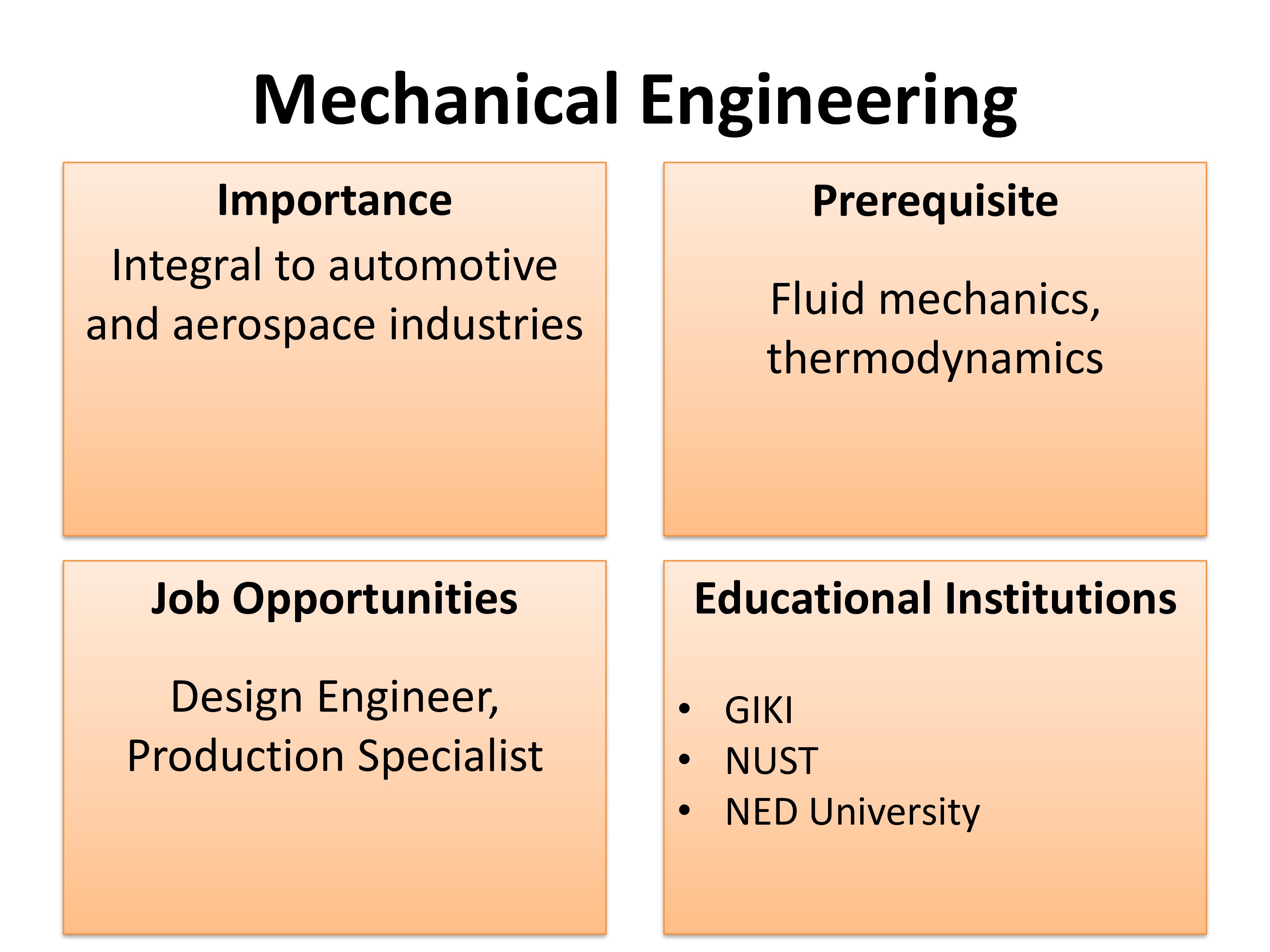
Answer: Helps develop skill sets and knowledge required in automobile, aviation, process, manufacturing industries
Question: Subsections of This Field and Their Utilization:
Answer: Refrigeration and cooling – Utilization in design of HVAC systems. Internal combustion engines – utilisation in design of automobile engines. Thermodynamics and fluid mechanics – utilisation in design of aircrafts. Design of machine elements – utilisation in the same
Question: Opportunity Areas for Jobs and Business:
Answer: Opportunities in process, automobile, aviation and manufacturing industries
Question: Students’ Career Growth and Comparison with Other Fields:
Answer: Students’ career growth is fast paced as the skill set acquired can be applied to numerous fields of work and industries
Question: Financial Attraction and Comparison with Other Fields:
Answer: Payscale can vary depending on the industry where the students are employed
Question: Research Work and Future Offshoots:
Answer: Mechatronics, fluid mechanics, thermodynamics
Question: Best Educational Institutions:
Answer: GIKI
Question: Scope of job in government, private sector, multinational companies or at international level:
Answer: Scope of job is huge in all sectors as the skill set acquired can be applied to numerous fields of work and industries
Question: Recommendation Considering Pakistan’s Economic Conditions:
Answer: Yes
Question: Importance, Pre-Requisites, Job Opportunities and Educational Institutes:
Answer: ⬇

Question: Recent Research Areas & Top International Companies:
Answer: ⬇

Question: Importance or Significance of the Subject Nationally/Internationally:
Answer: Engineering is pivotal for the industrial development both at national and international level. Engineering shapes the society by developing socioeconomic solutions for the betterment of human kind. There are numerous engineering applications that makes engineering important for development.
Question: Implication in Society and Corporate Sector:
Answer: Engineering affect almost all areas of life. Some common examples are construction industry, communication, automotive, mechanical, power, etc. The society is heavily influenced by the engineering solutions in different area of life. Engineering also plays an important role in the corporate sector as no industry can survive without relevant engineering expertise.
Question: Subsections of This Field and Their Utilization:
Answer: There are many subsection of engineering filed Some common examples include: 1. Civil/construction/urban engineering that deals with the construction & infrastructure development, urban planning and advancement 2. Electrical/electronic engineering that deals with the power generation, distribution and control. Moreover, it also deals with the industrial innovation and electronic solutions. 3. Mechanical/manufacturing/automotive engineering is extremely important for all types of process industries 4. Computer/software engineering deals with development of hardware and software solutions in the filed of computers. 5. Textile engineering deals with the processes associated with the textile industry 6. In addition to the abovementioned fields there are number of specialized engineering disciplines focusing on the relevant industries. The examples of such disciplines include petroleum engineering, telecommunications engineering, biomedical engineering, polymer engineering, material engineering, metallurgical engineering etc.
Question: Opportunity Areas for Jobs and Business:
Answer: Engineering education leads to the job prospects in the relevant industries both at national and international levels.
Question: Students’ Career Growth and Comparison with Other Fields:
Answer: Engineering filed is associated with significant career growth based on the skills and experience. In addition to the job prospectus engineering profession has significant potential for growth as entrepreneur and startups.
Question: Financial Attraction and Comparison with Other Fields:
Answer: The engineering field is associated with reasonable financial benefits. Just for comparison purpose the engineers start their job in grade 17 for the government jobs. In private sector, the financial benefits sometimes exceed that of governmental jobs.
Question: Other Attractions Besides Financial Benefits:
Answer: In addition to the financial benefits, there can be opportunities to engage in the research and development activities. Other attractions include innovation, global impact, flexibility, diverse career paths, engaging problem-solving, and entrepreneurship opportunities.
Question: Research Work and Future Offshoots:
Answer: All engineering fields are associated with research and development activities. In addition to the discipline specific research, there is huge potential for interdisciplinary research. The emerging fields in the areas of engineering have significant research potential.
Question: Best Educational Institutions:
Answer: There are many good institutions for engineering education in Pakistan. Focusing on the public sector institution following can be reasonable choice based on their locations • NED University, Karachi • Mehran University, Jamshoro • UET, Lahore • UET, Taxila • UET, Peshawar • BUITEMS, Quetta • NUST, Islamabad
Question: Scope of job in government, private sector, multinational companies or at international level:
Answer: Engineering jobs are available in all the sectors including private industries, governmental bodies, multinational companies etc. The nature of jobs generally depends on the chosen engineering field. Moreover, engineers generally take up managerial positions in the industry.
Question: Recommendation Considering Pakistan’s Economic Conditions:
Answer: Yes. Highly recommended
Question: Importance, Pre-Requisites, Job Opportunities and Educational Institutes:
Answer: ⬇

Question: Recent Research Areas & Top International Companies:
Answer: ⬇

Question: Importance or Significance of the Subject Nationally/Internationally:
Answer: Civil engineering is crucial both nationally and internationally as it forms the backbone of infrastructure development. In Pakistan, civil engineering is essential for addressing the country's growing needs for transportation networks, water supply systems, energy projects, and urban development. Globally, civil engineers play a pivotal role in developing sustainable cities, improving disaster resilience, and advancing construction technologies.
Question: Implication in Society and Corporate Sector:
Answer: Civil engineering directly impacts society by improving living standards through infrastructure development, such as roads, bridges, dams, and public buildings. In the corporate sector, civil engineers are critical in planning and executing large-scale construction projects, ensuring safety, efficiency, and environmental compliance.
Question: Subsections of This Field and Their Utilization:
Answer: Civil engineering is divided into several subsections, some of them are: Structural Engineering: Focuses on designing and analyzing buildings, bridges, and other structures to ensure they can withstand loads and forces. Geotechnical Engineering: Involves the study of soil and rock behavior to design foundations, retaining walls, and other sub-surface structures. Transportation Engineering: Deals with the planning, design, and management of transportation systems like roads, highways, airports, and railways. Water Resources Engineering: Concentrates on the management of water resources, including the design of dams, canals, and water supply systems. Environmental Engineering: Focuses on sustainable design and managing environmental issues like waste disposal, pollution control, and water treatment.
Question: Opportunity Areas for Jobs and Business:
Answer: There are numerous opportunities in civil engineering for both jobs and entrepreneurship in Pakistan: Jobs: Government infrastructure projects, private construction companies, consultancy firms, and international organizations like the World Bank and the Asian Development Bank. Business: Starting a construction company, consultancy firm, or materials supply business are viable options.
Question: Students’ Career Growth and Comparison with Other Fields:
Answer: Career growth in civil engineering can be robust, with opportunities for rapid advancement through project management, specialization, or further education. Compared to fields like IT or finance, civil engineering may have slower initial growth, but it offers long-term stability and significant growth potential, especially with experience.
Question: Financial Attraction and Comparison with Other Fields:
Answer: Civil engineering can be financially rewarding, particularly in large-scale projects or in management roles. Compared to IT or business management, starting salaries may be lower, but experienced civil engineers can earn competitive salaries, especially in roles requiring specialized skills or overseas projects.
Question: Other Attractions Besides Financial Benefits:
Answer: Civil engineering offers the satisfaction of contributing to society by building infrastructure that improves people's lives. The field also provides opportunities to work on diverse projects, travel, and solve real-world problems, which can be intellectually stimulating and fulfilling.
Question: Research Work and Future Offshoots:
Answer: Research in civil engineering is focused on sustainable construction materials, earthquake-resistant designs, smart cities, and infrastructure resilience. Future offshoots could include advancements in green building technologies, 3D printing in construction, and AI-driven project management.
Question: Best Educational Institutions:
Answer: Some of the best institutions in Pakistan for civil engineering include: National University of Sciences and Technology (NUST), Islamabad University of Engineering and Technology (UET), Lahore NED University of Engineering and Technology, Karachi
Question: Scope of job in government, private sector, multinational companies or at international level:
Answer: Civil engineers have a broad scope of employment: Government: Infrastructure development projects, public works departments, and regulatory bodies. Private Sector: Construction firms, consultancy firms, and real estate developers. Multinational Companies: Engineering firms, construction giants, and international NGOs. Internationally: Opportunities in the Middle East, Europe, and North America, particularly in project management and specialized engineering roles.
Question: Recommendation Considering Pakistan’s Economic Conditions:
Answer: Given the current economic conditions in Pakistan, civil engineering remains a viable and promising field, especially considering the ongoing infrastructure development needs. However, students should be prepared for the challenges of the job market and may need to consider further specialization or international opportunities.
Question: Additional Information or Advice for the students pursuing this field:
Answer: Skill Development: Focus on developing technical skills, project management, and proficiency in software like AutoCAD, Revit, and Primavera. Networking: Build a strong professional network through internships, industry conferences, and professional societies. Continuing Education: Consider pursuing further studies or certifications in areas like structural engineering, environmental management, or construction management to stay competitive in the job market.